
Transient Ecological Systems - Briefly Existing Lifeforms
===============================================================
Short-lived ecosystems, also known as ephemeral ecosystems, are temporary habitats that appear and disappear with the seasons, weather, or even a single day. These transient microhabitats play a crucial role in supporting a variety of species, including insects, birds, and amphibians.
Fallen leaves and decomposing plant material form a spongy, moisture-retaining ground layer, supporting fungal networks, worms, and a vast range of detritivores and decomposers. Dead and decaying trees in forests provide a home for fungi, mosses, beetles, woodpeckers, and more.
Rock depressions or forest litter pockets, where rainwater accumulates temporarily, form self-contained ecosystems for algae, mosquito larvae, microcrustaceans, and protists. Puddles and seasonal wetlands serve as essential breeding grounds for amphibians like frogs and newts.
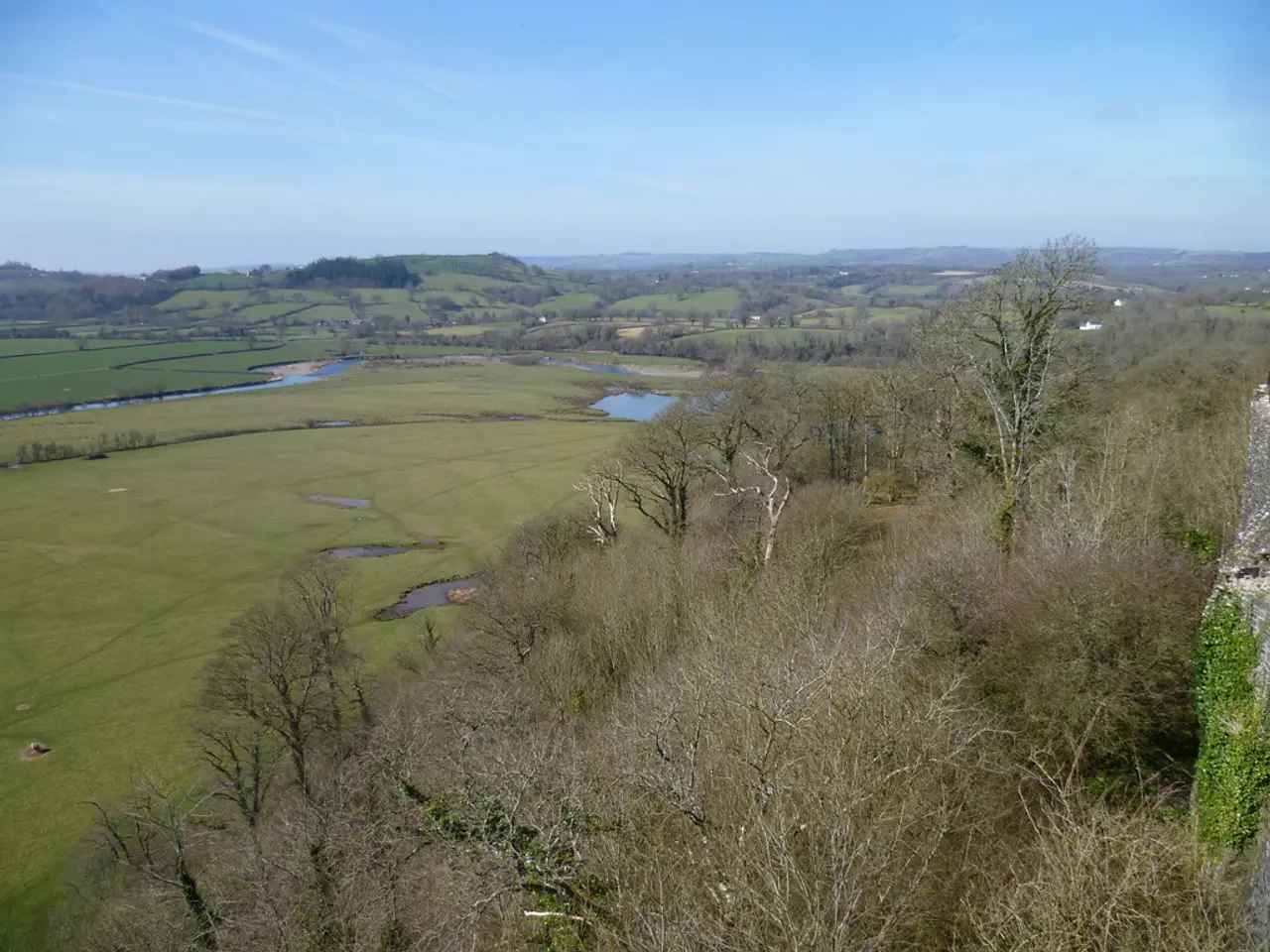
Examples of temporary ecosystems include ephemeral ponds, seasonal wetlands, and lentic (still water) ecosystems like temporary ponds and certain freshwater pools. These ecosystems often exist only temporarily during particular seasons or after rainfall and then disappear or dry up, making them inherently short-lived.
In an era of rapid climate change, the importance of ephemeral ecosystems is growing due to their adaptability and responsiveness to environmental changes. They serve as nurseries for specialist species, such as amphibians and certain invertebrates, that rely on the unique conditions these ecosystems provide, which are not available in permanent habitats.
Because they are dynamic and short-lived, these ecosystems often harbor specialized and diverse communities that contribute to overall biodiversity, filling ecological niches that permanent ecosystems do not. They can act as refuges during periods of drought or temperature extremes, providing critical resources or habitat shifts as climate patterns alter, helping species persist through changing conditions.
The cycles of formation and disappearance in these ecosystems contribute to nutrient cycling and habitat heterogeneity, supporting resilience in landscapes affected by climate change. Fallow agricultural fields during rest periods provide habitats for solitary bees, bumblebees, butterflies, birds, and beneficial microbial life.
Ephemeral ecosystems may be found in various environments, such as deserts, forests, and tundra. However, they are often overlooked in conservation efforts. Their fleeting nature and lack of lasting trace make them easy to overlook, but their importance in maintaining biodiversity and ecological balance warrants increased attention and protection.
The study of ephemeral ecosystems can provide valuable insights into the resilience and adaptability of ecosystems in the face of environmental changes. Understanding these transient habitats can help us better understand and conserve the biodiversity they support, ensuring their continued existence in a changing climate.
Science has shown that ephemeral ecosystems, such as seasonal wetlands and temporary ponds, play a significant role in health-and-wellness, supporting a variety of species that contribute to overall biodiversity. In lifestyle choices, prioritizing the conservation of ephemeral ecosystems can help maintain the balance of environmental-science, ensuring the survival of these short-lived habitats crucial for many species in an era of climate change.