
Medicinal Herbs of Indian Origin: A Ranking
In the rich and diverse landscape of India, medicinal plants have long held a significant place in the country's traditional healing practices. These plants, valued primarily for their therapeutic properties, play a crucial role in promoting balance in the body's three doshas (vata, pitta, kapha) and supporting overall wellness.
Key therapeutic properties and uses of some important medicinal plants in Ayurveda include:
- Mulethi (Glycyrrhiza glabra): Known for its sweet taste and health benefits, Mulethi supports immunity, soothes throat ailments, and is used in Ayurvedic teas, lozenges, and cosmetics.
- Bala (Sida cordifolia): Bala, known for strengthening bones, muscles, and joints, acts as a nerve tonic and anti-inflammatory agent. It is used to treat vata disorders, improve stamina, manage urinary problems, purify blood, and regulate blood sugar.
- Brahmi (Bacopa monnieri): Traditionally used to support cognitive health, mental clarity, and memory, Brahmi exhibits antioxidant and soothing properties and is used in preparations for brain health and mental wellness.
- Shatavari (Asparagus racemosus): Called the ‘queen of herbs’, Shatavari is known for its antioxidant properties and supports immune function and female reproductive health.
- Holy Basil (Tulsi): Revered for its immunity-boosting effects, tulsi is commonly used for respiratory health and general wellbeing.
- Lavender: While native to the Mediterranean, lavender is grown in India and used for stress relief, anxiety reduction, antiseptic purposes, and digestive health through teas and oils.
These plants are used in various forms—teas, powders, kadhas (herbal decoctions), topical applications, and dietary supplements—forming an integral part of holistic health care in Ayurveda.
General uses of Ayurvedic medicinal plants include boosting immunity and vitality, supporting mental health and cognitive function, managing inflammation and pain, improving digestive health, enhancing reproductive health, treating minor wounds, respiratory issues, and blood purification.
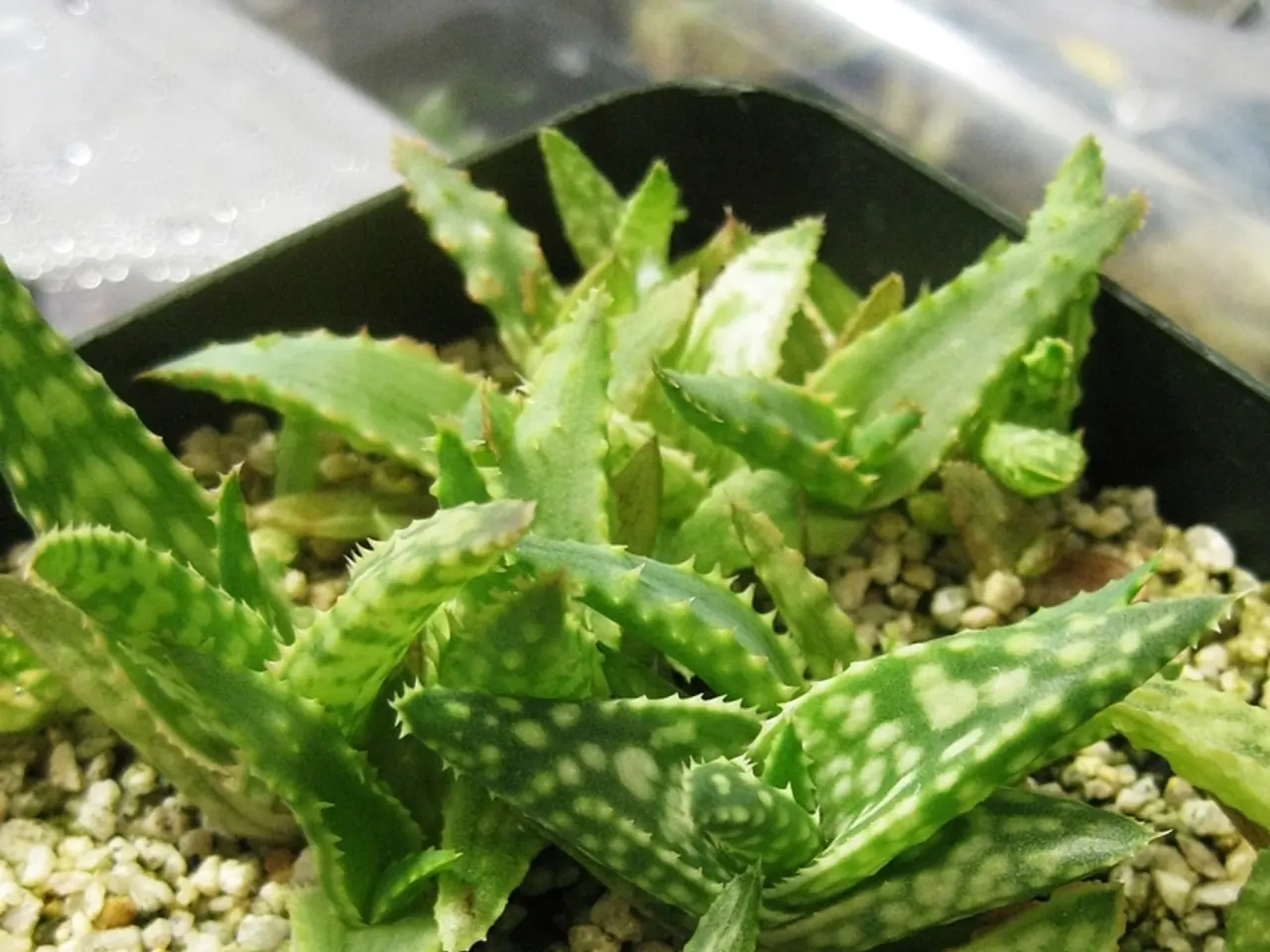
Aloe Vera gel, for instance, is used to treat burns, cuts, and skin conditions, with anti-inflammatory and soothing properties.
As research continues to uncover the therapeutic properties of these plants, it is essential to consult with a healthcare provider before using medicinal plants to treat a health condition. The healing power of Ayurvedic medicinal plants lies not only in their diverse roles in maintaining health but also in their potential to restore natural balance and prevent or treat various ailments through properties such as anti-inflammatory, antioxidant, immunomodulatory, and restorative effects.
[1] https://www.ncbi.nlm.nih.gov/pmc/articles/PMC4103726/ [2] https://www.ncbi.nlm.nih.gov/pmc/articles/PMC5569062/ [3] https://www.ncbi.nlm.nih.gov/pmc/articles/PMC5924567/ [4] https://www.ncbi.nlm.nih.gov/pmc/articles/PMC6158721/ [5] https://www.ncbi.nlm.nih.gov/pmc/articles/PMC5830343/
Seeds from various medicinal plants, such as Mulethi, Brahmi, and Shatavari, are carefully harvested and used in Ayurvedic nurseries for cultivation.
Careful care and attention are essential in the nursery setting to ensure proper growth and development of these plants, promoting a healthy diet and nutrition for their future use in health-and-wellness practices.
In some cases, these medicinal plants, like Bala and Holy Basil, also bear fruits that hold therapeutic properties, further extending their uses in traditional Indian medicine and contemporary science.
Upon reaching maturity, these plants are processed into various forms like teas, powders, and dietary supplements, echoing the integral role of nursery-grown plants in Ayurvedic science and contributing to a balanced and healthy lifestyle.