Europe rekindles rural development for lasting and equitable economic progress through Agroecology
In rural Europe, a remarkable transformation is underway, with communities coming together to restore degraded lands and revive ecosystems. This process of environmental and cultural regeneration has reached multiple member countries, including Italy, France, and Spain, and is supported by policies from institutions at both the national and European levels.
One of the most prominent examples of this regeneration can be found in the Casalina project in Puglia, Italy. This abandoned farm has been transformed into a green oasis through reforestation and permaculture, with a focus on restoring damaged ecosystems and enhancing resilience against climate change. The Casalina project involves migrant workers in its community-building efforts, creating a shared purpose among its members.
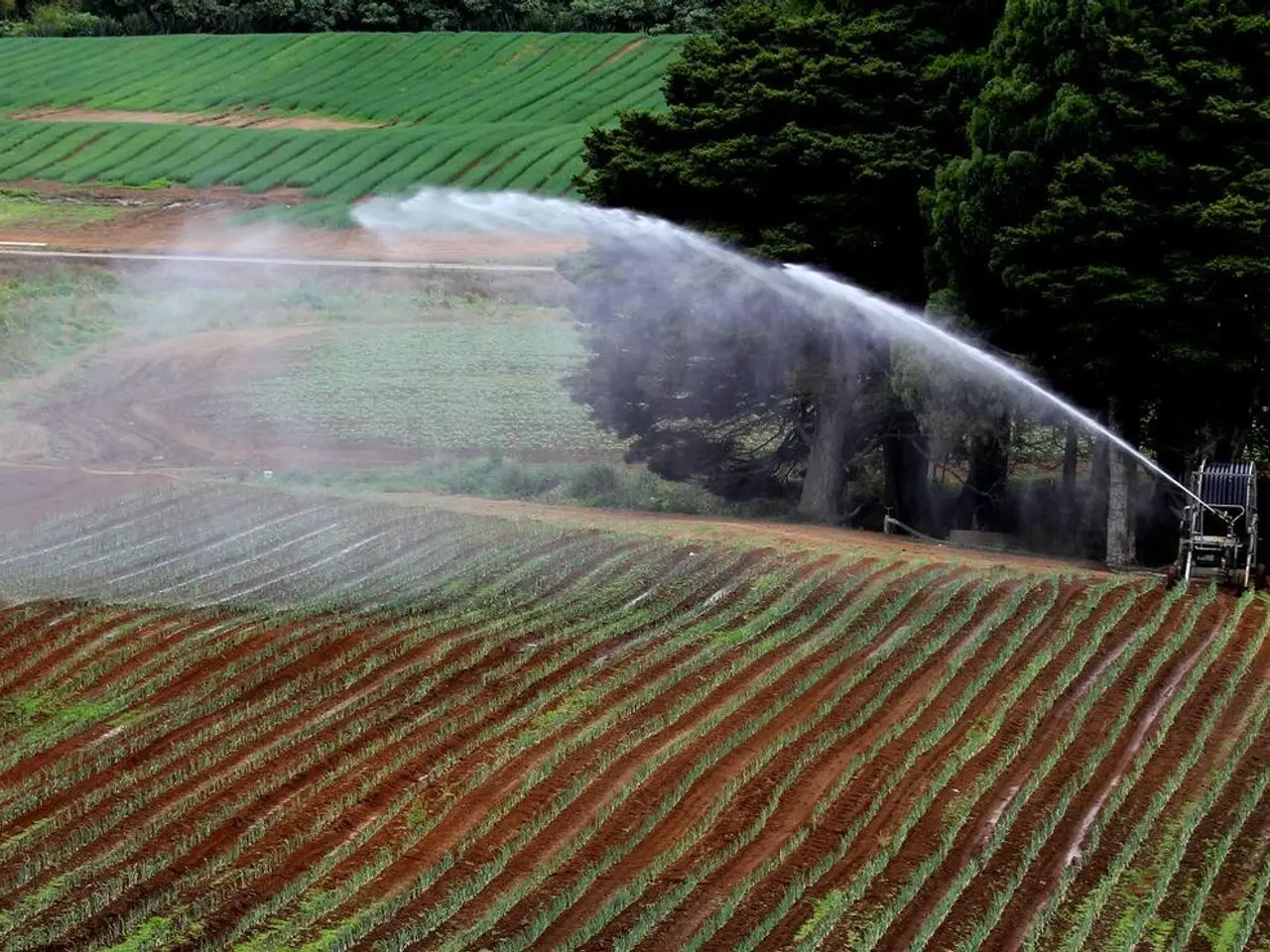
Another notable initiative is Sardinia’s "Terra ai giovani" (Land to the Youth) program. This project supports young farmers and rural communities in sustainable agricultural practices that enhance biodiversity on farmland. It promotes nature-friendly farming approaches, such as organic agriculture, retention of landscape features, and low-input farming methods that conserve pollinators and wildlife habitats.
These Italian examples reflect broader European trends under the EU’s biodiversity strategies, which encourage active participation from land users, local communities, and policymakers in restoration efforts for long-term success. Financial incentives, such as eco-schemes and agri-environment climate interventions, are combined with community engagement to restore farmland ecosystems and protect endangered species and habitats.
Other programs in Sardinia aim to insert rural communities into international contexts, while emphasizing the importance of local knowledge and traditions in the process of regeneration. The European Commission document states that communities are successfully restoring biodiversity in rural Europe, with initiatives like the Casalina project and Sardinia’s Terra ai giovani serving as key examples.
The Casalina project in Puglia hosts events and plans for future agroforestry systems inspired by syntropic agriculture. Meanwhile, the Terra ai giovani project encourages a return to the countryside, supporting entrepreneurial initiatives led by under-thirties who want to safeguard rural areas and traditions.
The European Union is experiencing a process of regeneration, with rural communities at its center. Initiatives across Europe, like the Irish "Waters of Life" project, demonstrate the effectiveness of nature-based solutions and results-based payments to farmers to improve biodiversity and ecosystem health. This continental movement towards integrating biodiversity restoration with rural livelihoods indicates a promising future for rural centers in the EU, as they care for landscapes, revive knowledge, and create resilient futures.
- The science of environmental-science plays a significant role in the Casalina project in Puglia, Italy, as they explore and implement techniques such as reforestation and permaculture to restore degraded lands and revive ecosystems.
- In Sardinia, the health-and-wellness of rural communities is improved through programs like "Terra ai giovani," which encourages sustainable agricultural practices that not only enhance biodiversity on farmland but also promote nature-friendly farming approaches, including organic agriculture.