
Chikungunya Infection Illness Reported in Alsace, Close to the German Border in Baden-Württemberg
**Germany Braces for Potential Chikungunya Outbreak as Tiger Mosquitoes Spread**
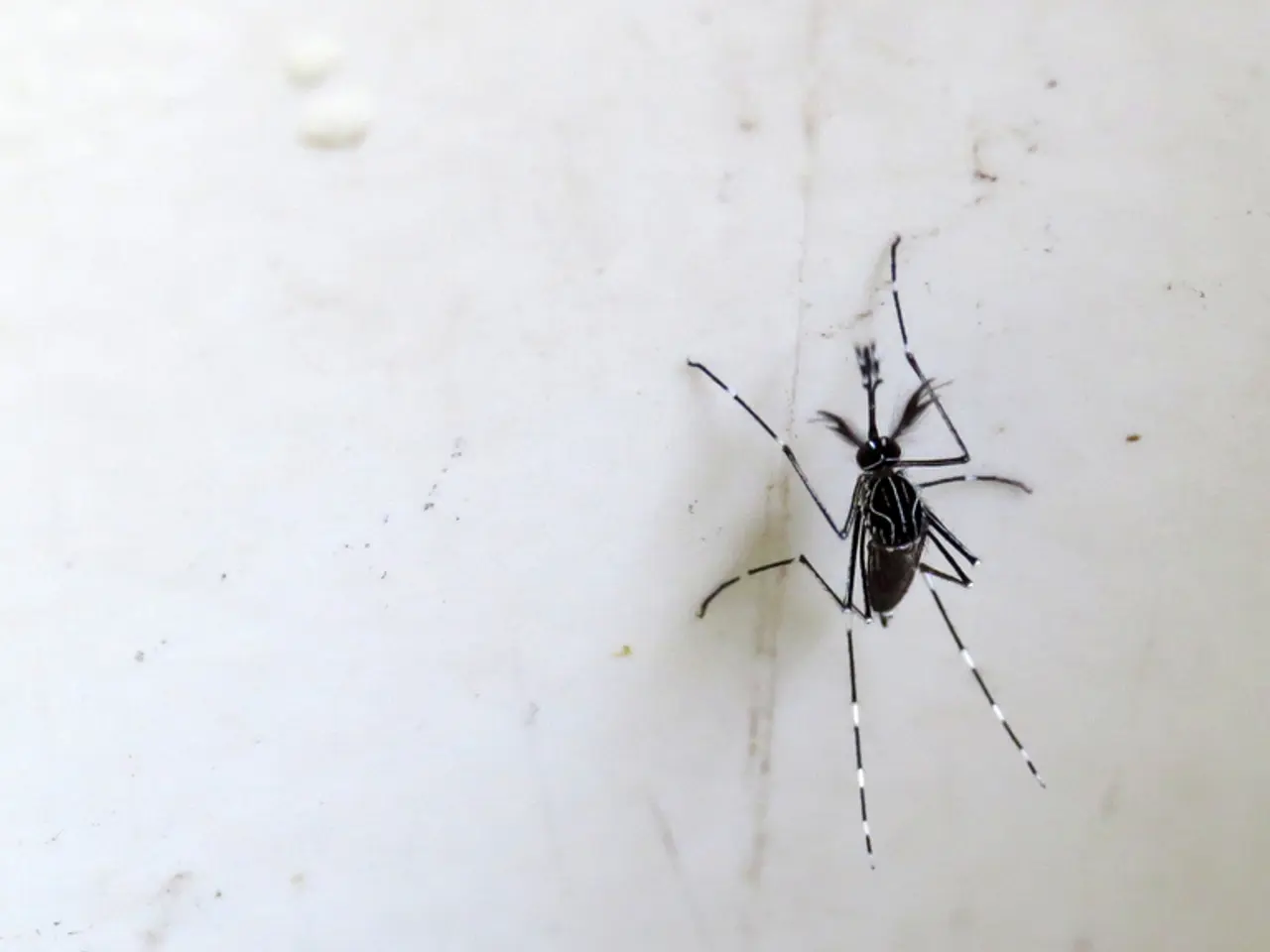
In a proactive move to combat the potential threat of Chikungunya virus infections, Germany has been preparing since February 2025, when the vaccine Vimkunya was approved for the disease. Despite no confirmed autochthonous (locally transmitted) cases in the country, the presence of the *Aedes albopictus* mosquito, commonly known as the tiger mosquito, has been detected in several parts of Germany, particularly in southwestern regions near the French border.
Germany has not experienced significant Chikungunya outbreaks, but vigilance is increasing due to the presence of tiger mosquitoes. Isolated cases in neighboring areas like Alsace, France, have been documented, signaling potential risk for Germany because of close proximity.
To combat the spread of Chikungunya, Germany is expanding access to the newly approved single-dose chikungunya vaccine, IXCHIQ®, starting July 2025. This vaccine targets travelers and residents at risk and represents a proactive step in preventing chikungunya infections before outbreaks occur. The vaccine is being distributed through a partnership between the vaccine developer Valneva SE and CSL Seqirus.
In addition to vaccination efforts, German public health authorities implement mosquito surveillance and control programs targeting *Aedes albopictus* populations. This includes monitoring mosquito breeding sites, public information campaigns urging residents to eliminate standing water and use protective measures against mosquito bites, and possible insecticide application in high-risk or outbreak-prone areas.
To further mitigate the risk, increased awareness campaigns and travel health advisories inform citizens and travelers about Chikungunya risk in endemic regions. Vaccination is encouraged for travelers to tropical regions where Chikungunya is endemic, supported by the availability of the new vaccine in travel clinics.
Climate change is expanding the geographical range of tiger mosquitoes, potentially increasing the risk of Chikungunya outbreaks in Germany and other parts of Europe. The recent availability and study of Chikungunya vaccines, including pediatric trials in Europe, reflect an enhanced preventive strategy aimed at both travelers and resident populations in affected areas.
However, it's important to note that deaths from Chikungunya are extremely rare. Most infected people recover fully from Chikungunya fever, often within a week. Despite this, the virus can be dangerous for chronically ill people, pregnant women, and infants. Chikungunya fever, caused by the virus, is characterized by flu-like symptoms such as high fever, headache, and joint pain.
In recent weeks, six more local cases of Chikungunya have been discovered in France, most near the Mediterranean coast. This underscores the importance of ongoing vigilance and preparedness in Germany and other European countries. Authorities are taking measures to find more cases and combat the biting mosquitoes in the vicinity of the identified cases in Germany.
As the world continues to grapple with the ongoing COVID-19 pandemic, the potential threat of Chikungunya adds another layer of complexity to public health efforts. Yet, with proactive measures like vaccination programs, vector control efforts, and public health awareness, countries like Germany are taking steps to protect their populations and mitigate the risk of Chikungunya outbreaks.
The proactive measures in Germany involve expanding access to the newly approved single-dose chikungunya vaccine, IXCHIQ®, to residents at risk, as part of an effort to prevent chikungunya infections before outbreaks occur. Moreover, scientific advancements in chikungunya vaccines, such as the pediatric trials in Europe, represent a crucial step in the medical-conditions realm, aimed at enhancing preventive strategies for both travelers and resident populations in affected regions.